

Please, forgive me
Carry on with your work when my life comes to an end

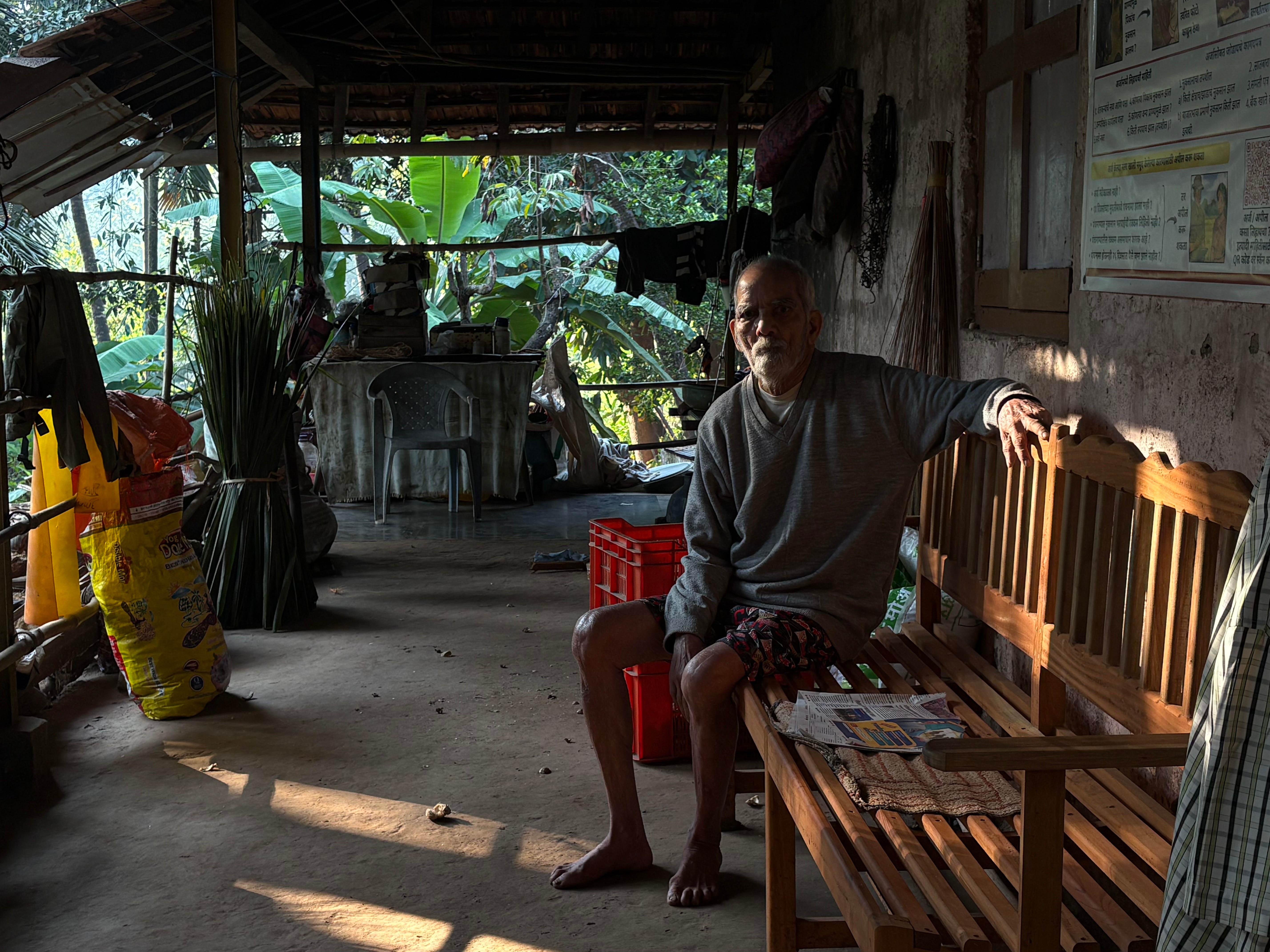
I wonder if it is the devil in me that resists showing him compassion. Even though I know it isn’t his fault, I find myself agitated when he speaks to me kindly. Every ounce of empathy evaporates the moment I am asked for help. I see him standing by the door, gripping the window grill, fully aware that his mind is slipping away. But what can I even do?
It was for him that I initially returned to the village. His health was deteriorating, and with no one stepping in to help, my love for him anchored me here in Narvan.
Ever since childhood, I have shared a profound bond with my baba (grandpa). Among the four of us grandchildren—two from my uncle and two from my dad—I always sensed he harbored a quiet, special love for me. Perhaps it was because I was the eldest, or because I spent my summer vacations trailing after him on the farm. Growing up, he was the gentlest grandfather I could have asked for.
Unlike many who lose their grandparents early in life, I was fortunate enough to grow up bathed in their presence.
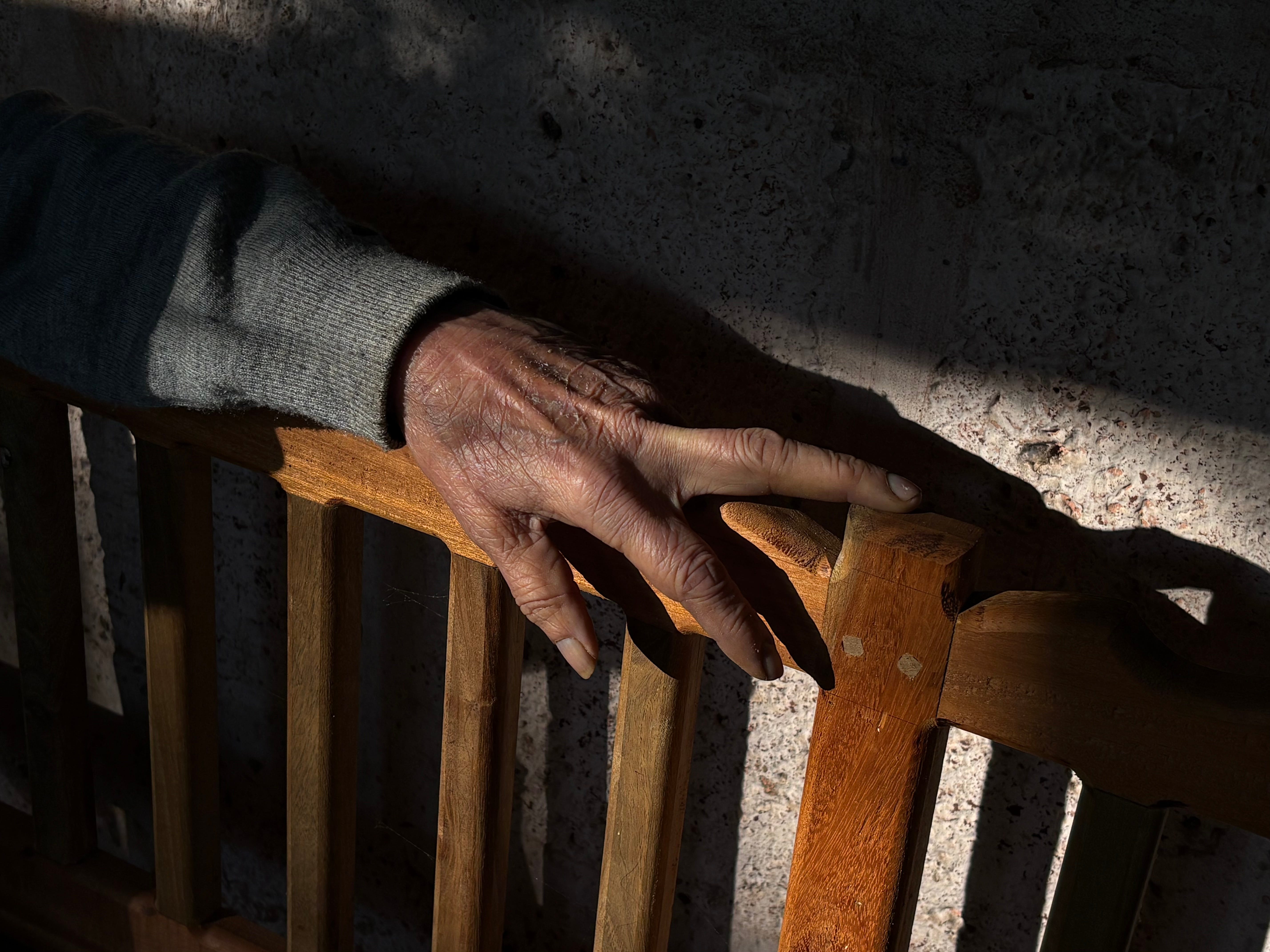
When I returned from England, his knee was a silent crisis no one wanted to address. We all knew something had to be done, but who would be the one to push him toward surgery? Every day, we watched him endure deep, immobilizing pain. Age had splintered his knee, the cracks audibly protesting with every labored step. The agony was palpable; just thinking of it brought me to tears.
The truth is, I want to freeze my memories of baba at eighty. I remember him telling me, “I am forgetting things now. I might do silly things—please forgive me.” Little did I know how heavy the coming years would be. Yet, the unease this illness has inflicted upon him is far greater than the toll it has taken on us.
“Carry on with your work when my life comes to an end,” he once reminded me, back when his mind was still his own.
I blame the medication. I have written it before, and I will write it again: it is far better to have a shaky hand than a shattered mind. The pills entered his life when he was fifty. For thirty-six long years, he has swallowed twelve pills a day—chemicals that have slowly rewired his neurological system. They are the reason he forgets, the reason he hallucinates and spins stories out of thin air. One minute, he is a boy anxious about an impending exam; the next, he is a government officer waiting for the Collector to arrive.
Over the past few months, physical exhaustion has settled deep into his bones. Many of his contemporaries are quietly slipping from the world of the living into the realm of the unknown. He remembers them; he remembers his mother, and he weeps.
If you would like to support me, please consider buying me a coffee, every nudge on paypal gives me more strength to write and work further.
For a long time, I resisted writing about this, but I can no longer hold it in. Keeping silent felt like locking the gates on his illness—as if by refusing to write about it, I could deny its very existence.
Old age is a cruel thief, but the true agony lies in watching a once-unshakeable man lose his footing against the current.
These days, his altered mind whispers regrets: “If only you had been corrupt like the others in government, your children and grandchildren would have enjoyed a life of luxury.”
I hate it when he utters those words. He and Aaji (grandma) are the very bedrock of our family’s moral compass. They took voluntary retirement rather than remain in a system that fostered corruption. Ironically, more than thirty-five years later, nothing has truly changed. The world is just as corrupt, perhaps only more discreet.
It was only last year that our verbal altercations began. The pills triggered a dark, unexpected side effect: a sudden, verbal violence. Though it was never physical, it was sharp enough to fracture the trust between us. There are fleeting moments when he is fully lucid—when he knows exactly who he is and what he has said—but those moments are painfully rare.
Friends and family have repeatedly urged me not to write about this, but how can we simply look away from reality? The truth is, I love him with all my heart, but I am exhausted by the whiplash of feeling a thousand different emotions every single day.
The mornings are always frail. By afternoon, a sudden surge of energy takes over—sometimes so intensely that he wanders off without a word. Evenings oscillate between restless pacing and quiet lulls, until the nights return him to a delicate, fragile state.
I often wonder how anyone in his condition survives without family. I must give Aaji the reverence she deserves. At eighty-one, she has set aside the burdens of her own age to care for him as fiercely as her body allows.
Walking past care homes in the UK, I would often see elderly faces gazing out of windows. What must they be feeling? I asked myself a thousand times. Wouldn’t they long for the anchor of their loved ones as the tide pulled them out?
In this moment, as I fight to summon compassion and keep my inner demons at bay, my thoughts drift to all the elderly enduring the twilight of illness alone. To everyone without a loved one sitting by their side: I am thinking of you. I want to learn to embrace life in its entirety, through both the light and the shadows. After all, I, too, will be eighty-six one day.
Today I saw him lying in the front yard with his glasses on. He wasn’t the angry stranger created by the pills, nor the official waiting for a meeting. He was simply an old man resting under the sky, waiting for the fog in his mind to clear. And in that quiet stillness, the frustration finally stepped aside, leaving only the grandson who loved him.
Oh Ash, what a heart-breaking, beautiful piece of truth-telling. No one knows what Life will bring to our door, how we will respond when the knock comes and we peer out to see what is entering into our heart…or how we will feel when the loving space we have cultivated suddenly collapses inward when we find that the guest is unwished for, even unwanted.
Allowing compassion to be born, to grow and swell to fill, yes expand, the space that we thought we knew so well, is the key point, the saving grace. Quieting the judging mind, both of self and of the other, smooths the blameless, shameless way before us and allows us to see what was invisible before…that love, true love, is unconditional, all-forgiving and all-accepting, and that all along we have had what it takes to transform the darkness and light the way before us as we walk each other home. Blessings, many blessings on your journey.
"Wouldn’t they long for the anchor of their loved ones as the tide pulled them out?" This question is so evocative, heartbreaking, painful. Your writing is raw and reaches depths most are too afraid to fathom. Thank you for your strength and vulnerability...Blessings to you on this Journey Ash.